
It is common knowledge, at least for the average video game player, that the RPG — Role-playing Game — genre owes a sizable chunk of its identity to the pen-and-paper gameplay format. The first edition of Dungeons & Dragons inspired and fueled some of the earliest computer role-playing games, or CRPGs, and that DNA continues today even in the very IP of some of the biggest modern games such as Baldur’s Gate 3 (2023) — itself a Dungeons & Dragons property that kicked off with the original game back in 1998.
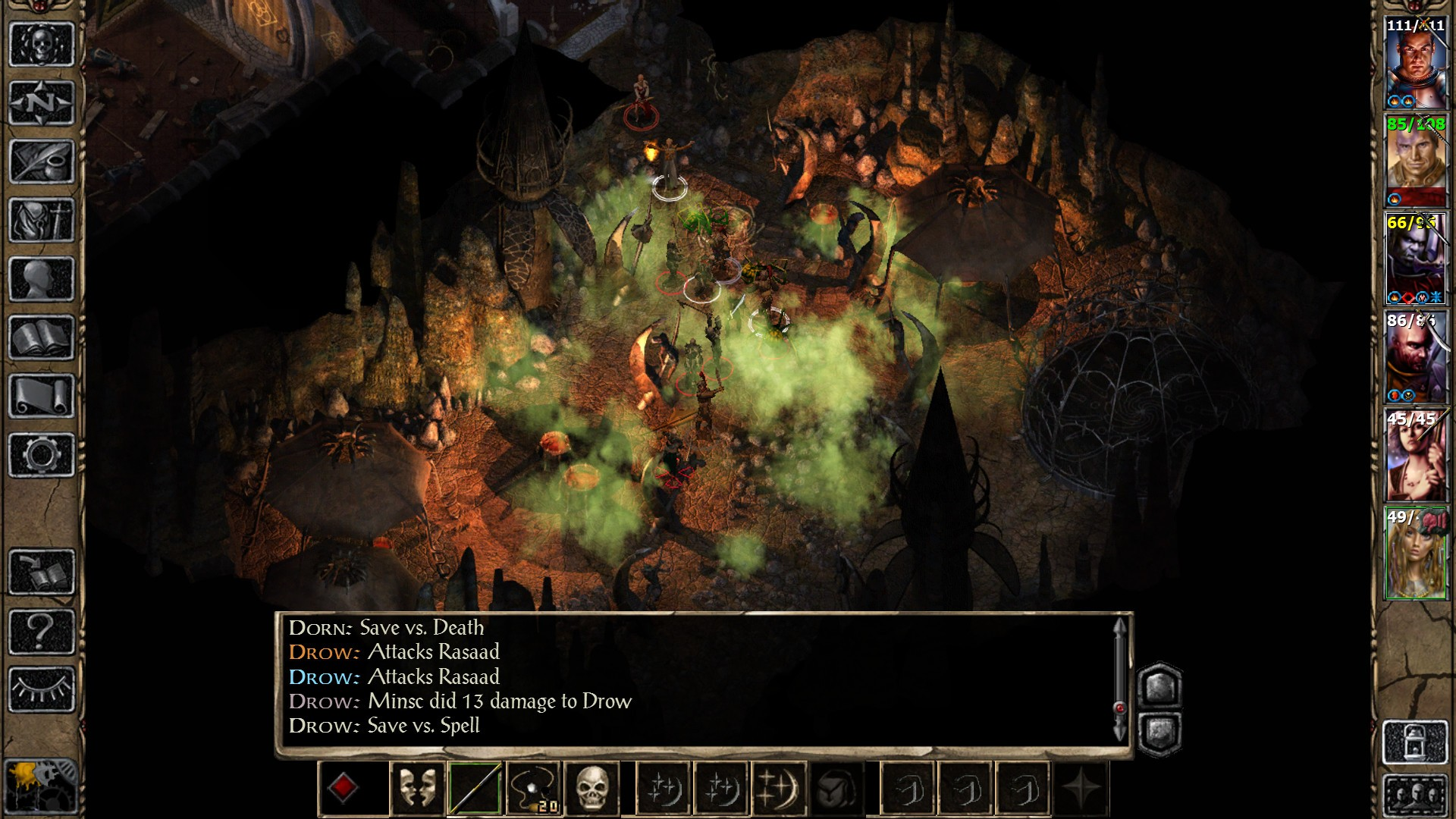
Baldur’s Gate II – Enhanced Edition
Virtual games and tabletop games, particularly of this genre (although they are not alone; see adventure games and strategy games), have been intertwined since the 1970s, when the first CRPGs ran on mainframe computers.
Of course, computer-based games existed much earlier, but the subsequent rise of personal computers in that decade aligned perfectly with the invention of D&D as a fantasy variation of a wargame in 1974 to soon inspire industrious creators like Richard Garriott (Akalabeth: World of Doom (1979) and the Ultima series).
“There really is no doubt that D&D played a vital role in the development of the first CRPG.”
Matt Barton
Dungeons and Desktops: The History of Computer Role-Playing Games
However, this relationship between the virtual and real worlds of these types of games has spawned a newer ‘edition’ of virtual gaming. While it remains reasonably popular to play video games based on the rules and structures of role-playing games, it is also increasingly popular to play many of those role-playing games using virtual tools. These modes of gaming rhyme with each other, in a sense.
It’s worth pointing out that role-play has been a popular thing to do online since the existence of forums. An uncountable number of words have been committed to expressing worlds and characters, some of them using worlds and characters from notable RPG settings. And while play-by-post is a version of this hobby that may sometimes use the rules of TTRPGs (tabletop role-playing games) in the context of forum posts, only in the past decade have dedicated tools for running those games online become exponentially popular.
And then, well, 2020. Even players formerly committed to running their games in-person sought virtual alternatives. Virtual tabletop software, or VTTs, some of which have existed for years, provided exactly that. Wizards of the Coast’s D&D Beyond naturally has a singular focus, but other VTTs — Roll20, Fantasy Grounds, Alchemy, Foundry, and more — come with the ability to adapt to a few or many different TTRPGs.
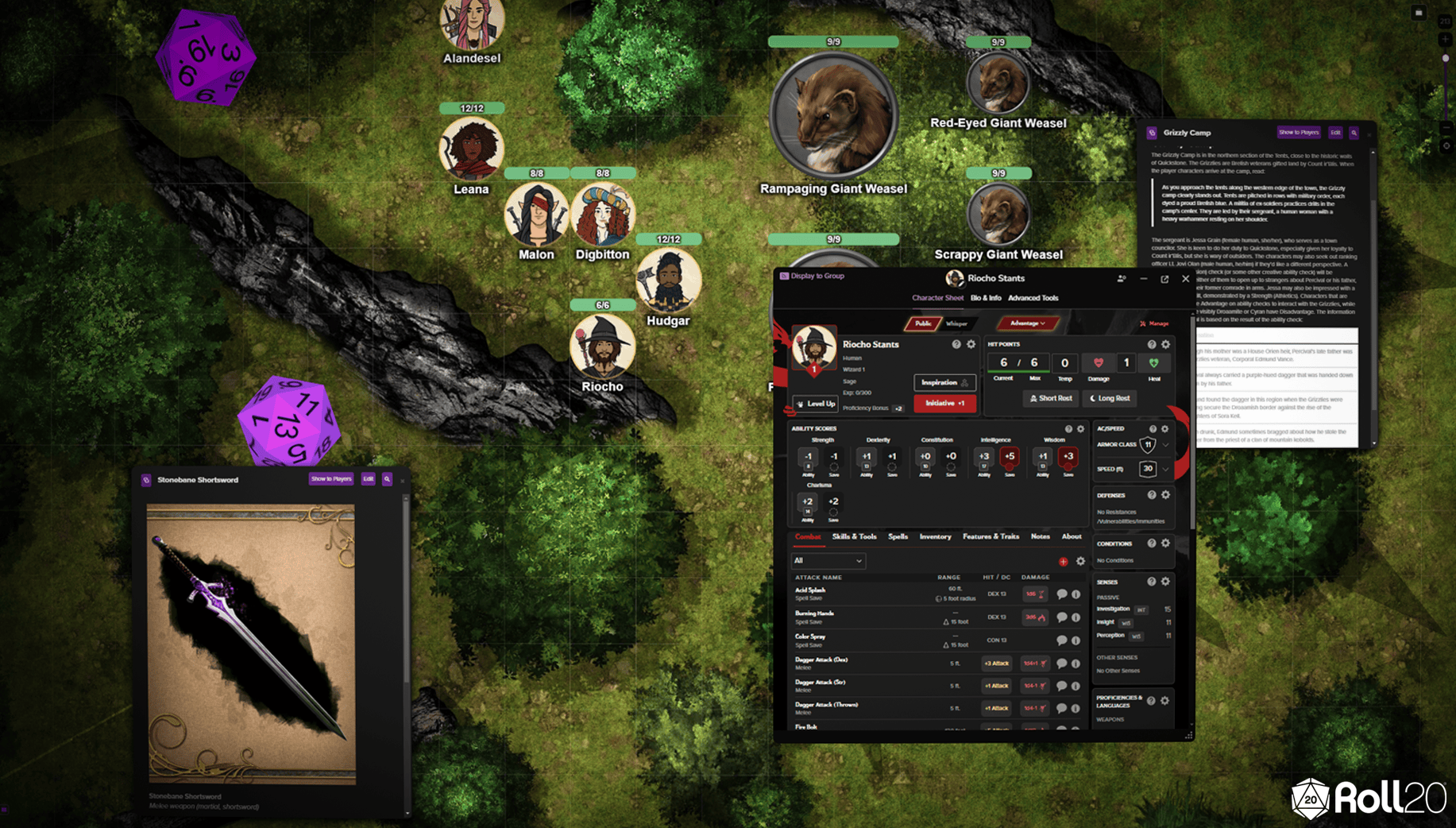
from Roll20 official newsletter, Jan 4th, 2025
Many were designed to be used in-person, for those who like to use screens to display maps and information rather than the traditional graph paper pencil scribbles or print-outs. But with the advent of communication platforms with built-in streaming capabilities like Discord, or even incorporating video and voice chat with the VTT itself, the programs are easily used by groups who have moved far apart or perhaps have never even met in person to begin with.
Although it might seem like a less personal, colder way to engage with TTRPGs, anecdotal evidence suggests otherwise. Habits are habits — I have experienced fellow dice-rollers change digital dice because one version is proving “unlucky” just as often as people might switch physical dice sets for the same reason. The games are still social events even if the tools are adapting to the technology of the times.
And, really, it seems full-circle and inevitable to reach this point where CRPGs are mirrored by VTTs. To separate computers and gaming is to ignore the modern history of both.
